

What makes a hit song | Elvis Presley’s road to success | Blurred Lines Controversy | Walk on water |
Well to examine what makes a hit song I would like to go back to where rock and roll started. The 1950’s was a wild time where everything seemed to be changing dramatically. Where the big band sounds of the 40’s started to fade away and die. Rock and roll was originally viewed as devil music and was far from mainstream.
The problem was it was new, bold and in your face. This seemed to upset those coming off years and years of big band sounds and country music and bluegrass were beginning to become mainstream. The music world was in total turmoil as they would say.
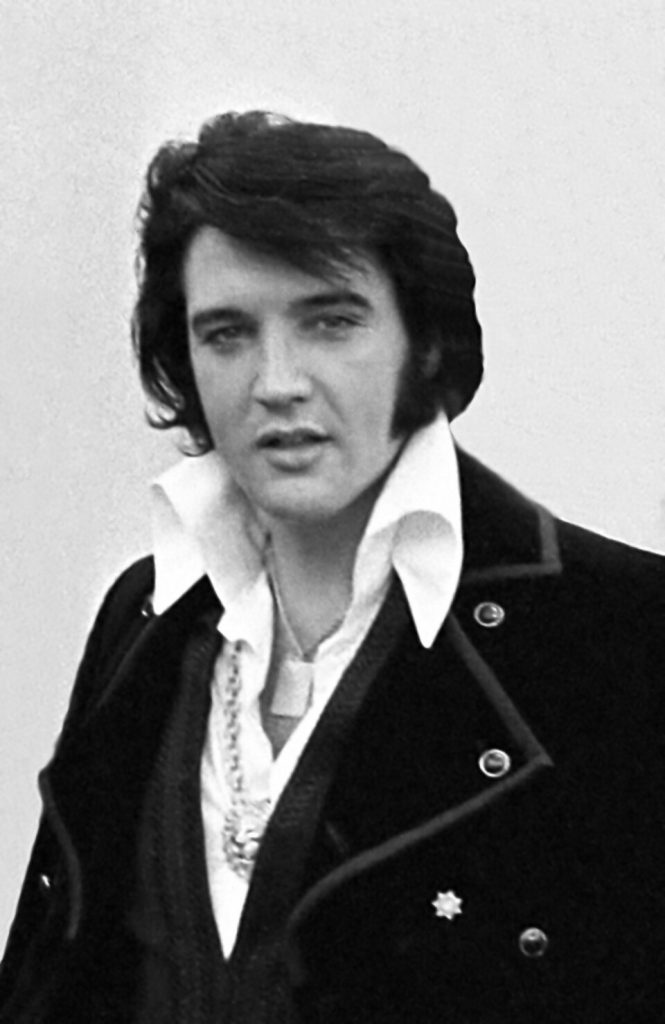
Rock and roll had multiple electric guitars and driving bass. Then came Elvis Presley’s dance moves that caused quite the stir. We don’t have time and it is not my place to go totally off topic to discuss other radical changes going on worldwide like drugs and free love. Unfortunately, I am too young to have experienced any of it.
In those times however, there were no videos to speak of. Music was radio play, mostly in cars on AM radio. The reason was when you are driving you could play whatever music you wanted without your parents commenting or forbidding it. It was the only time that you were free to choose what you wanted to listen to. When you returned home it was Lawrence Welk on the black and white tv.
I don’t mean to diddle too much about the past but, to truly understand modern music you must return to where it all started. The evolution of music is even today ongoing and progressing. Imagine if you will a normal rap song being played in the 50’s and the reception you would get. Now Coolio’s “Gangsta’s Paradise” would probably have done quite well as being somewhat timeless. Now imagine his video in black and white being played on the Ed Sullivan show. One look at Coolio’s devil horns hair and it would have been done and over with.
The point I am trying not to lose is that originally music had to define itself for the impression it made on the public. The was no such thing as flashy videos of half nude girls to promote the song (Don’t worry we will get back to Robin Thicke’s “Blurred lines” soon enough). So, a song had to stand on both its music, vocals and its lyrics. This was just the way it was until MTV started on August 1, 1981. There were a lot of tremendous hits that were produced in the 50’s, 60’s and 70’s that could not be viewed unless you were fortunate enough to get tickets for the live show or maybe catch them perform live on tv.
The standout hit of the 50’s was Bill Haley and his comets “Rock around the clock” produced in 1954. The song is often cited as the song that launched rock and roll. 2 years later a new rock song took over, by a new artist that totally changed the rock and roll atmosphere permanently, of course I am speaking of Elvis Presley. Between his looks and moves, every girl and most women wanted a piece of him and every man wanted to be him. His release of “Don’t be cruel” in 1956 was the bestselling song of the 1950’s. This fascination lasted even after the Beatles and their new sound took America by storm.
So to start this journey off we will begin with Elvis Presley’s “Don’t be cruel” as it would not be fair to use “Rock around the clock” to start since it was totally new and unheard of before. Elvis without video was able to forever change the sound of rock and roll and it all started “get this” with an appearance on the Ed Sullivan show which fully introduced him to America.
Elvis Presley’s first appearance on The Ed Sullivan Show took place on September 9, 1956.
The performance was a landmark cultural event, drawing an estimated 60 million viewers—roughly 82.6% of the television audience at the time.
Key Details of the Debut:
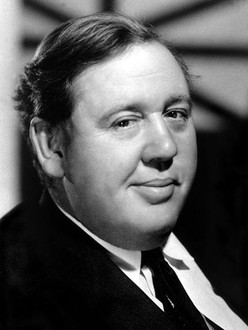
- The Host: Ed Sullivan did not actually host this episode; he was recovering from a car accident. British actor Charles Laughton filled in as the master of ceremonies.
- Location: While the show was based in New York, Elvis performed remotely from CBS’s Los Angeles studio because he was filming his first movie, Love Me Tender.
- Setlist: Elvis performed four songs during the broadcast:
- “Don’t Be Cruel“
- “Love Me Tender“
- “Ready Teddy”
- “Hound Dog”
The song “Don’t be cruel” was already a radio hit at the top of the charts.
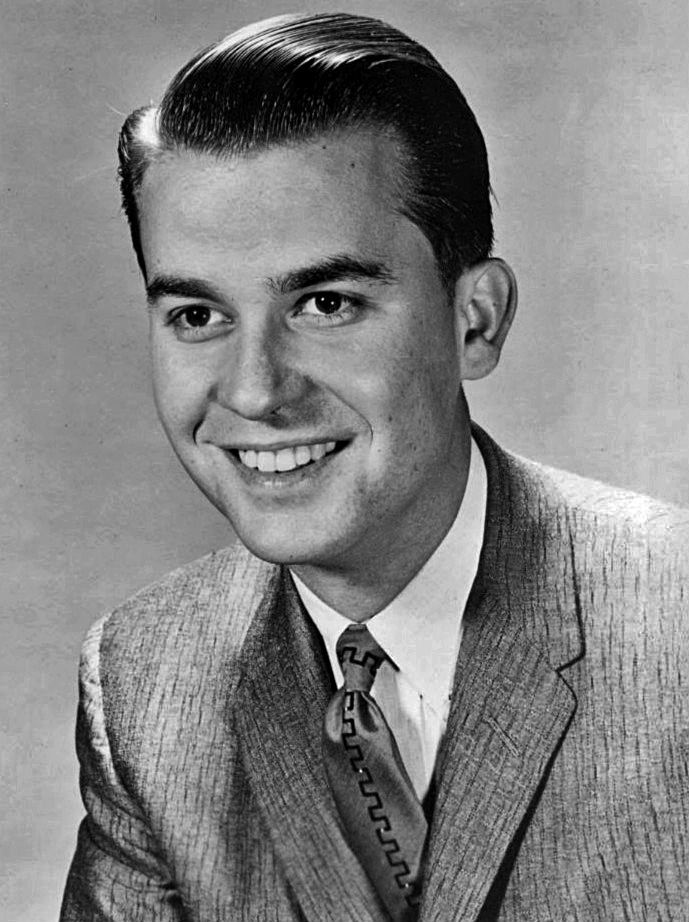
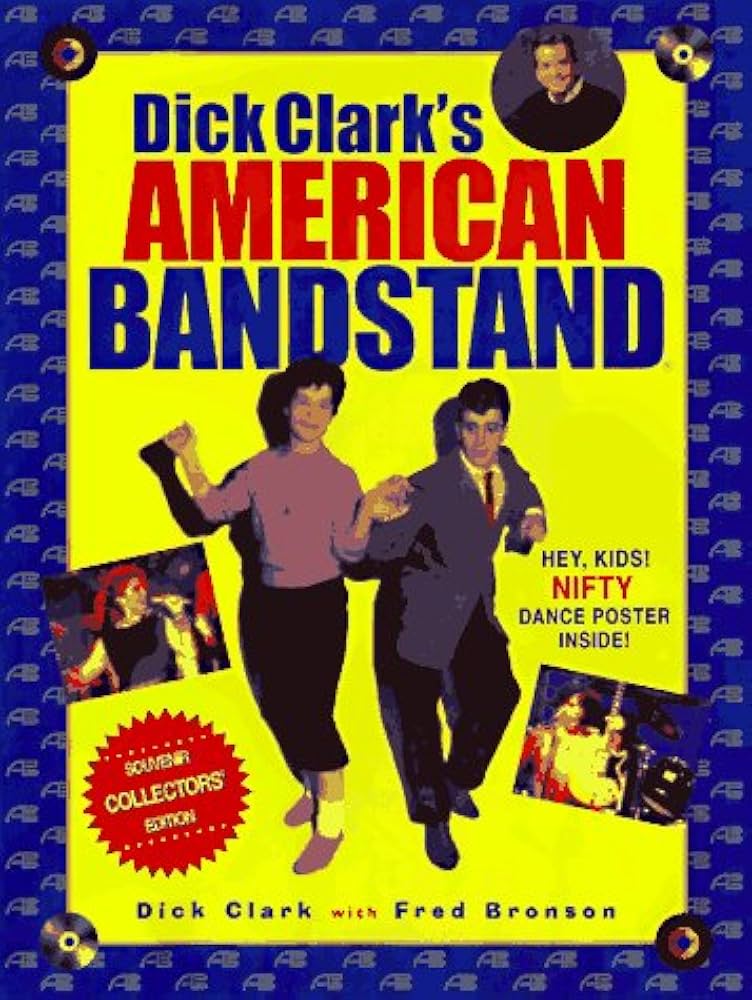
His performance on the show was a major event in rock and roll history. It was a rock and roll song on live tv and the first video performance of rock and roll. It would take 25 years to progress from that moment to the first broadcast of MTV. Thanks to a couple of shows like “American Bandstand” and “Soul Train” you could see chart topping artists perform live on TV without buying concert tickets you could not afford. American Bandstand hit the airwaves on October 7, 1952. The show did not really garner must attention until 1952 when a guy Named Dick Clark took over on July 9, 1956. It was a modern Lawrence Welk show with rock and roll that you could watch people dancing to the songs. These dancers are what caused the dance craze to have a footing in normalcy due to people being able to watch others perform the moves on live TV. Remember no VCR’s just yet so there is no way to record and rewatch until the next show.
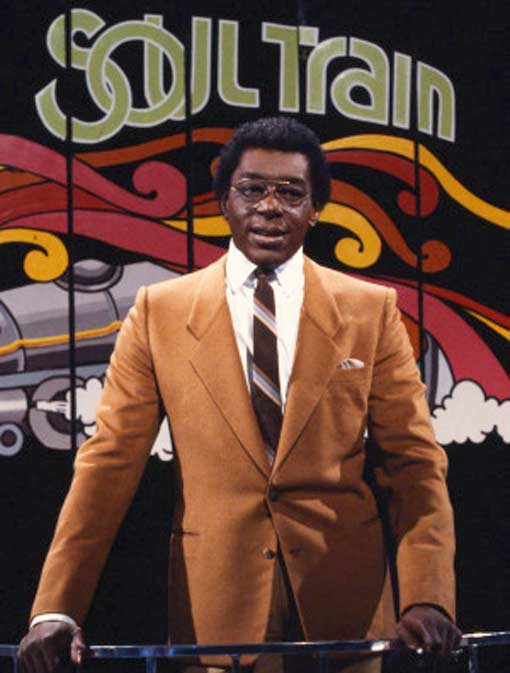
It took until 1970 for Soult Train to come about, same premise just a new sound called soul music. Don Cornelius created and hosted the show. Soul Train was revolutionary because it showcased Black joy and excellence at a time when mainstream media often overlooked or negatively portrayed African American culture. It helped launch the careers of legendary artists like The Jackson 5, Stevie Wonder, and Aretha Franklin, and introduced the world to new genres like funk, disco, and hip-hop.
Ok, ok so the history lesson is over. So, you know the birth of rock and roll and how it evolved very quickly. You have also read about how it evolved from radio play to live tv. It was not until MTV came along that artists could truly express themselves and place the audience into their songs. Present day we have YouTube since MTV has morphed into something I don’t even care to watch.

Comments
Leave a Reply